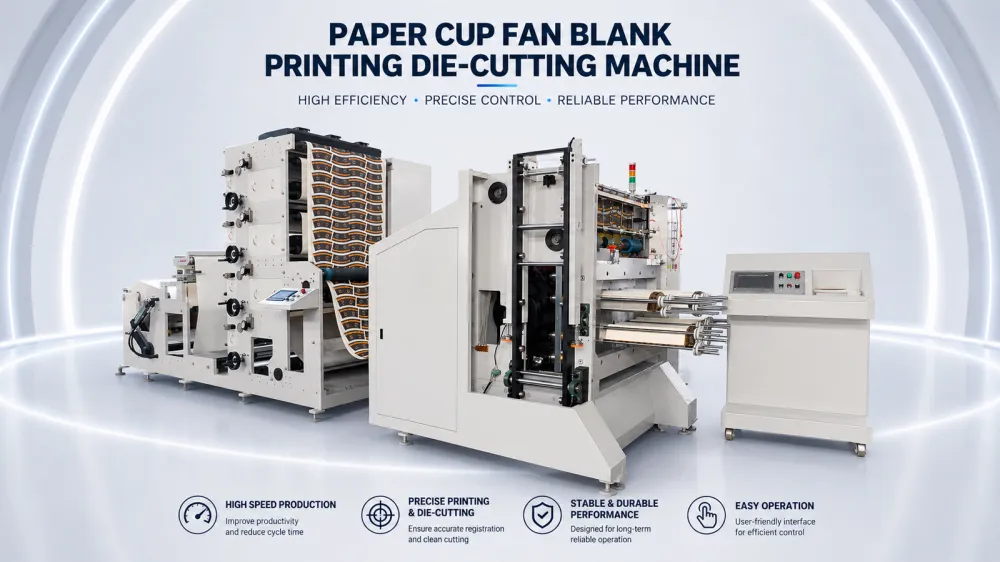
UV Curing vs. IR Drying: Solving Flexo Ink Problems on Film | Henghao
Ink Drying Problems? Comparing UV Curing vs. High-Velocity IR for Film Substrates
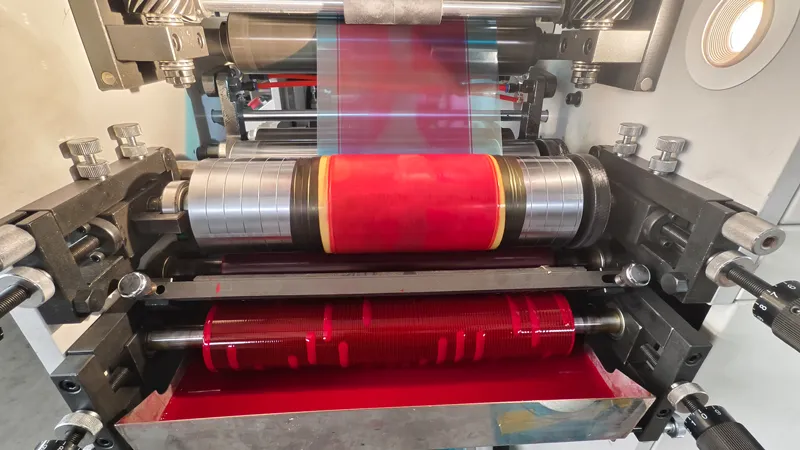
In the pressroom, "drying" is often the bottleneck that limits your top speed. If the ink doesn't set instantly, you face smearing, set-off in the rewind, or poor ink adhesion. The challenge doubles when you move from porous paper to non-porous films like BOPP, PE, or PET.
Choosing the wrong drying system for your flexo printing machine doesn't just slow you down—it can ruin entire batches of substrate through heat deformation or ink migration. Let’s break down the technical physics of High-Velocity IR (Infrared) versus UV (Ultraviolet) Curing.
1. The Physics of the Substrate: Porous vs. Non-Porous
To understand drying, you must first look at the material surface.
- Paper/Cardboard: These are porous. They assist the drying process through absorption. Water-based or solvent inks partially "sink" into the fibers, leaving only the pigment on top. High-velocity IR and hot air work well here by evaporating the carrier liquid.
- BOPP/PE/Films: These are "closed" surfaces. There is zero absorption. The ink must stay on the surface and solidify via a chemical reaction (UV) or total evaporation (IR/Solvent). If you use standard IR on film without precise tension control, the high heat required to evaporate the water can cause the film to stretch or shrink, ruining your registration.
2. High-Velocity IR & Hot Air: The Traditional Powerhouse
Modern Henghao flexo presses utilize high-velocity hot air combined with IR lamps. This is the preferred method for water-based inks, which are increasingly mandatory due to environmental regulations.
- Pros: Lower consumable cost (water-based ink is cheaper than UV ink); safe for food packaging (low migration risk); versatile for paper products.
- Cons: Requires a long drying path; high heat can affect thin films (20-30 micron); energy consumption can be high due to the volume of air that needs heating.
3. UV Curing: The "Instant" Solution for Film
UV drying isn't actually "drying"—it’s a photochemical reaction called polymerization. The UV light hits the photo-initiators in the ink, turning it from a liquid to a solid in milliseconds.
- Pros: Instant drying at high speeds (up to 150m/min); superior gloss and rub resistance; minimal heat impact on the substrate (ideal for heat-sensitive PE or shrink films); compact footprint on the flexo printing machine.
- Cons: Higher ink cost; UV lamps (mercury or LED) require regular maintenance and have a high power draw; potential migration issues if not fully cured.
4. Critical Comparison: Which One for Your Factory?
| Factor | High-Velocity IR/Air | UV Curing System |
|---|---|---|
| Main Ink Type | Water-based / Solvent | UV / LED-UV Inks |
| Substrate Suitability | Paper, Heavy Cardboard | BOPP, PE, PET, Foil |
| Production Speed | Moderate (Path dependent) | High (Instant) |
| Energy Efficiency | High draw for heating air | Efficient (Especially LED-UV) |
Practical Troubleshooting FAQ
Q: Why is my ink still tacky even after UV curing?
A: This is usually due to "Oxygen Inhibition" or a weakened UV lamp. Check the hours on your bulbs or ensure your ink/anilox combination isn't delivering a layer that is too thick for the light to penetrate fully.
Q: Can I run water-based inks on film with IR drying?
A: Yes, but you need an extended drying path and a high-performance corona treater to increase surface tension. Without a corona treater, water-based ink will struggle to "grip" the BOPP film, regardless of how much heat you apply.
Q: Which system is safer for pharmaceutical labels?
A: While UV offers better precision, IR with water-based ink is often preferred for pharmaceutical and food applications to avoid the risk of photo-initiator migration, unless you are using specialized low-migration UV inks.
Expert Recommendation
If your primary business is paper labels and cardboard packaging, a high-velocity IR system is the most cost-effective investment. However, if you are moving into high-end filmic labels (BOPP/PE) or pharmaceutical packaging, a UV-equipped flexo printing machine is essential to guarantee registration accuracy and rub resistance.
Don't let drying issues limit your capacity.
Contact Henghao Machinery today. We can configure our stack-type presses with Hybrid Drying Systems (IR + UV) to give you the ultimate flexibility for any substrate. Consult with our engineers about your next label production line.
Beyond Drying: What if You Still See "Shadows"?
Optimizing your UV or IR drying system is the first step toward high-speed production. However, even with a perfect cure, many operators struggle with a different kind of defect: faint, repetitive "ghost" images appearing on solid print areas.
If your ink is dry but your print quality is compromised by shadows or uneven ink density, the issue might be mechanical or related to your anilox-to-plate ratio. To ensure your production line is 100% defect-free, we recommend reading our expert guide on flexo printing ghosting troubleshooting.
Mastering both ink curing and ink transfer is the only way to minimize waste and maximize your factory's output in 2026.
Share this article: